Garden Clearance in Regents Park

Garden clearance in Regents Park means clearing away outdoor waste, unwanted growth and accumulated debris so a garden can be used, maintained or reworked with less obstruction. Our service covers routine green waste, heavy cuttings, bagged rubbish from outdoor tidy-ups and larger clearance tasks where a plot has become difficult to manage. The aim is straightforward: create a safer, cleaner starting point and remove material in a way that suits the site and the volume involved.
We handle the practical side of garden clearance with a focus on sensible sorting, loading and disposal. That can include hedge cuttings, branches, old plant pots, broken outdoor items, soil contamination mixed with organic matter, and other non-hazardous garden debris. Where a clearance also involves sheds, fences or other fixtures, the work needs to be assessed separately because different materials can require different handling. Clear descriptions of what needs taking away help the work stay efficient and avoid avoidable delays.
If you are planning outdoor work and need the area stripped back first, use the sections below to understand the main clearance options, the kinds of material we can remove and the factors that affect a quotation. When you are ready, request a quotation and give us a brief outline of the garden so we can respond with the most suitable next step.
What our garden clearance service covers
Our garden clearance service is built around the tasks people most often want removed from an outdoor space before they can make use of it properly. That usually means accumulated green waste, overgrown cuttings, pruned branches, weeds pulled from beds, dead plants, leaves, compost waste, and bags of mixed outdoor debris. It can also include loose items left in the garden such as broken plant supports, cracked planters, damaged outdoor storage pieces and general rubbish that has found its way outside. The work is organised so that each load is collected, separated where needed and taken away in a practical order.
Because gardens vary so much, we keep the service flexible rather than forcing every job into the same pattern. A light seasonal clear-out is very different from a neglected back garden with tangled growth, uneven surfaces and hidden waste. Some jobs are mainly about removing cuttings after pruning, while others are about opening up access and dealing with several different waste streams at once. If the garden includes confined paths, narrow side access or shared entry points, those details matter when planning the most efficient approach.
Green waste, cuttings and overgrowth
Most garden clearances begin with green waste. That includes soft vegetation, hedge trimmings, branches, ivy, brambles, grass cuttings and garden spoil that has been gathered into piles or bags. The condition of the material matters: freshly cut branches are easier to stack and remove than long, tangled growth, and damp waste can be heavier than it first appears. We deal with the collection and removal side, leaving the garden ready for the next stage of maintenance or landscaping.
Where a space has become overgrown, clearance can involve several layers of work rather than one simple collection. Dense growth may hide broken pots, forgotten furniture or soil heaps, and the order in which material is tackled can make the job more manageable. In these situations, a tidy division between reusable items, recyclable garden materials and general waste can be useful. The clearer the separation, the more straightforward the removal process tends to be, especially when a site contains both light and bulky material.
For gardens that need a reset after a long period without attention, it often helps to break the work into clear and sensible stages: cut back the most obstructive growth, gather loose waste, remove bulky objects and then deal with the remaining debris. That approach keeps the clearance controlled and avoids leaving half-cleared areas that are awkward to finish later. If you want the garden stripped back for immediate use, tell us what is there and what should stay.
Bulky outdoor items and mixed garden rubbish
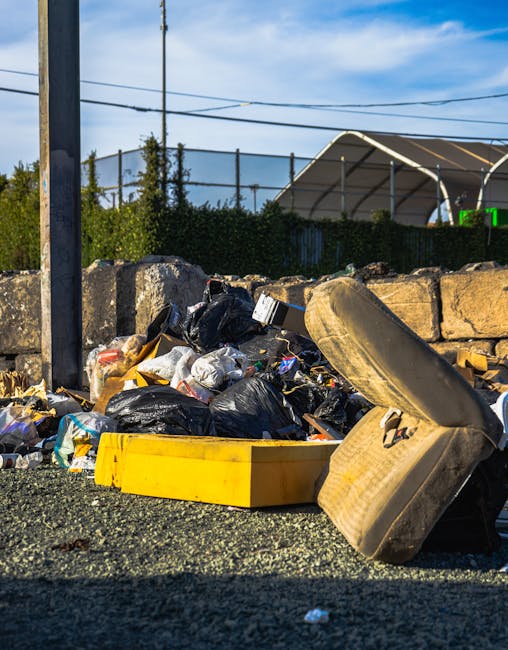
Not every garden clearance is made up of organic waste. Outdoor spaces often accumulate bulky items such as broken chairs, tables, old barbecues, children’s toys, cracked storage boxes, plant stands, parasols and damaged fixtures that are no longer useful. These items can take up far more room than a pile of cuttings, so clearance planning needs to allow for loading space, access and safe lifting. When several types of material are present, mixed loads must be organised carefully so they can be handled correctly.
Mixed garden rubbish can include bags of household waste left outside, packaging from deliveries, fragments of old fencing, plant containers and material from do-it-yourself work in the garden. We can remove the combination of items once the scope is agreed, but it is helpful to identify anything that is especially heavy, awkward or attached to the property. If a structure is fixed or partially fixed, that may change the kind of work required. A simple list of what is in the garden is often the best starting point for an accurate quotation.
How the work is planned on site

Garden clearance works best when the site is understood before the loading begins. Access routes, surface condition, gates, rear entry points and the distance from the waste to the vehicle all influence how the work is carried out. A level garden with open access is easier to clear than a site with steps, narrow passageways or soft ground. These practical details do not change the aim of the service, but they do affect the time and effort involved in removing the waste cleanly and safely.
For most enquiries, the most useful information is a short description of the garden, the main types of waste and any limitations around access. If the area is cluttered, a few photographs can help show the volume and mix of material. Where the job includes an unusual amount of weight, fixed fittings or hard-to-reach sections, that should be mentioned up front. A quotation is usually easier to prepare when the scope is specific, even if it is only a rough outline at the first stage.
Useful details to provide include:
- the main type of garden waste present
- whether any bulky items or fixtures need removing
- how the garden is accessed
- whether the waste is bagged, loose or mixed
- if there are surfaces or plants that need to be left undisturbed
Recycling, sorting and responsible disposal
Garden clearance is not only about lifting waste away; it also involves deciding how different materials should be handled once they have been collected. Green waste, timber, metal, plastic, soil and general rubbish may need different routes after removal. Where practical, separating materials supports better disposal decisions and reduces unnecessary mixing. That matters when a garden contains both organic waste and items from outdoor furniture or maintenance work, because one load can include several different material types.
We take a practical approach to sorting so that the clearance is done with care rather than rushed into a single pile. Some material is suitable for recycling, some is better handled as general waste, and some needs extra checking because it may be contaminated or unusually heavy. Garden clearances often look simple from the outside, but a tidy result depends on the work behind the scenes as much as the lifting itself. This is one reason why a clear list of items is valuable before the job begins.
Regents Park garden spaces and property types
Regents Park is an area in central London known for the large royal park of the same name, formal terraces, Nash terraces and a mix of residential, cultural and institutional buildings around the park edge. The park itself forms part of a wider landscape that has evolved from former hunting land into one of the capital’s best-known open spaces. Its broad avenues, patterned planting and carefully planned views create a strong sense of structure, while the surrounding streets include varied architecture from grand terraces to more compact urban properties. Within and around the park, gardens are often shaped by limited outdoor space, shared boundaries, mature planting and a need to manage greenery carefully rather than expansively.
The area also sits close to several distinctive parts of north-west and central London, with transport routes and local streets bringing together both calm residential pockets and busier city edges. Regents Park itself includes formal gardens, sports facilities, woodland-style planting and the boating lake, while nearby cultural landmarks such as London Zoo and the outer terraces help define the area’s character. Because the park is so prominent, the place name can refer both to the open space and to the surrounding district, which is why it is helpful to keep the geography in mind when describing any location-specific work. The result is a landscape where outdoor spaces may be elegant, compact or highly maintained, but rarely simple in layout or history.
Garden clearances for tidy-ups and larger reset work
Some customers need a light tidy-up after pruning or seasonal maintenance, while others need a more substantial garden clearance that opens up a neglected space. The lighter jobs often involve bagged clippings, leaf fall, dead plants and a few loose items that have built up over time. Larger reset work can involve multiple piles of waste, dense overgrowth, broken outdoor belongings and the sort of general accumulation that prevents the garden from being used properly. The service can be scaled to fit the job, but the waste still needs to be handled in a methodical way.
In larger clearances, it is often sensible to think about what should happen after the waste has gone. If planting, resurfacing or reorganisation is planned, the first task is usually to get the area back to a blanker, more workable state. That means removing anything loose, unstable or in the way so later work is not slowed down by unnecessary obstacles. If you are comparing options, a clear scope is more useful than a vague idea of “tidying the gardenâ€, because it gives a better basis for the quotation and the schedule.
Items that need extra care
Some garden items are straightforward to remove, while others need a little more attention. Heavy planters, awkward timber pieces, wet soil bags, rusted metal, broken glass from outdoor features and sharp-edged scrap should all be handled carefully. There may also be hidden risks such as unstable stacks, uneven paving, slippery moss or thorny growth. These are ordinary practical issues rather than special problems, but they do influence how the work should be done. Careful handling reduces the chance of damage to paths, walls, fences and the parts of the garden that are meant to remain.
Where a garden contains material that does not belong with ordinary green waste, it is better to identify it early. For example, old paint tins, treated timber, mixed construction offcuts or electrical items from outdoor fittings may need different disposal arrangements from branches and cuttings. We can discuss the overall load and help decide what is part of the clearance and what needs a separate approach. That keeps the job honest and prevents avoidable surprises once the work is underway.
Getting a quotation and arranging the work

A quotation for garden clearance is usually based on the kind of waste present, the overall volume, access to the garden and whether any bulky or mixed items are included. A small pile of cuttings is not the same as a heavily overgrown space with several categories of waste, so giving a useful description at the start matters. If the garden is difficult to reach, that should be mentioned too, because it can affect the time needed to complete the job properly. The aim is to give you a quotation that reflects the actual work, not a generic estimate that ignores the details.
When you contact us, the simplest approach is to explain what needs clearing, how much there is and whether anything should be left behind. If you can describe the access route and whether the material is bagged or loose, that can help with planning. Ask for a quotation when you are ready, and we will use the information you provide to shape the next step. For jobs with mixed waste or heavier items, a little extra detail at the beginning usually makes the process smoother for everyone involved.
To make the enquiry easier, think in terms of what is visible now rather than what you hope the garden might become later. That keeps the discussion focused on the actual clearance work and avoids confusion between removal, pruning, landscaping and future improvements. If you already know that the job involves more than one area of the garden, mention that as well. The more clearly the clearance is described, the easier it is to plan the most appropriate service and move it forward without unnecessary back-and-forth.
Why a structured clearance approach helps
A structured approach is important because garden clearance often combines several kinds of work in one space. There may be soft green waste, heavier objects, awkward corners and surfaces that need to be protected while items are moved. Treating all of that as a single pile can lead to wasteful handling and unnecessary strain. By separating the material into sensible groups, the job becomes easier to manage and the finished result is usually cleaner. That is useful whether the space is a small private garden or a larger outdoor area that has been waiting for attention.
Good preparation is not about overcomplicating the process; it is about avoiding guesswork. If the waste is already gathered, or if you know where the heaviest items are located, the clearance can be organised more efficiently. If the site is busy, it also helps to consider when access is easiest and whether any gates, bins or stored items need to be moved temporarily. These are practical details rather than formal requirements, but they often make the difference between a straightforward collection and a more awkward clearance.