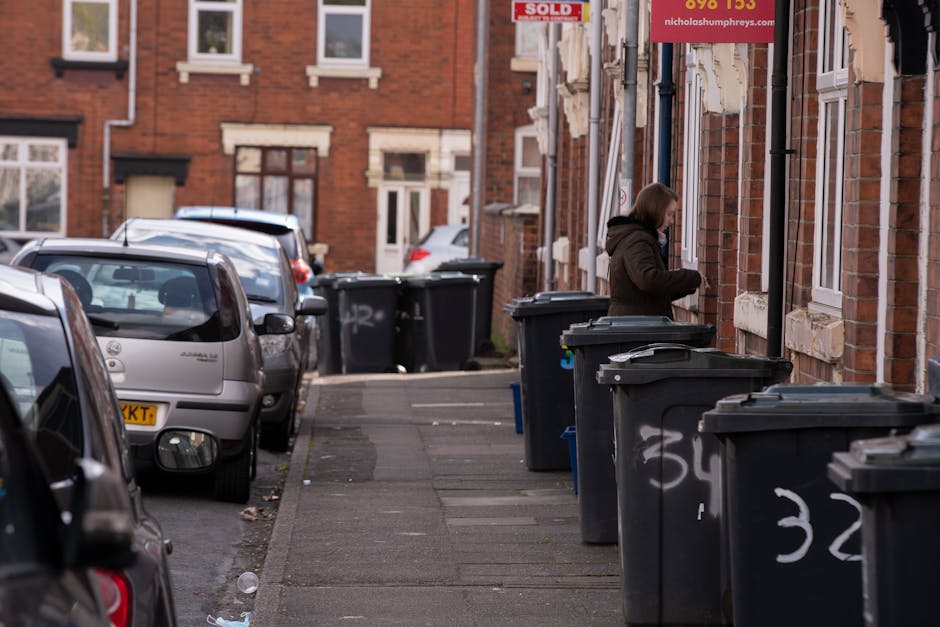
Regents Park Outer Circle rubbish collection tips for residents
If you live near Regents Park Outer Circle, rubbish collection can feel strangely easy one week and mildly chaotic the next. Bags appear sooner than expected, bins get crowded, and a missed collection can throw off the whole street. The good news is that a few smart habits make a real difference. This guide to Regents Park Outer Circle rubbish collection tips for residents explains how local collection routines usually work, how to avoid common mistakes, and how to keep things tidy without making waste day a drama.
Whether you are managing a flat, a family home, or a shared building, the aim is the same: keep rubbish under control, protect the street from overflow, and avoid the sort of issues that lead to complaints, pests, or unnecessary extra costs. Let's face it, nobody enjoys standing in the drizzle with a black bag at 7 a.m. because it should have gone out the night before. A bit of planning saves all that.
Table of Contents
- Why Regents Park Outer Circle rubbish collection tips for residents Matters
- How Regents Park Outer Circle rubbish collection tips for residents Works
- Key Benefits and Practical Advantages
- Who This Is For and When It Makes Sense
- Step-by-Step Guidance
- Expert Tips for Better Results
- Common Mistakes to Avoid
- Tools, Resources and Recommendations
- Law, Compliance, Standards, or Best Practice
- Options, Methods, or Comparison Table
- Case Study or Real-World Example
- Practical Checklist
- Conclusion
- Frequently Asked Questions
Why Regents Park Outer Circle rubbish collection tips for residents Matters
Rubbish collection in a busy London location is not just about putting bags outside and hoping for the best. Around Regents Park Outer Circle, space is often tight, access can be awkward, and the visual impact of a single overflowing bin is bigger than people think. One untidy frontage can quickly affect neighbours, passers-by, and even building managers. That is especially true where several households share one storage area or where bins sit close to pedestrian routes.
Good rubbish habits matter for a few practical reasons. First, they reduce the risk of missed collection because items were placed in the wrong container or put out at the wrong time. Second, they help avoid smells, leaks, and spilled waste that can attract foxes and birds. Third, they make it easier to stay organised if you occasionally need larger help, such as general waste removal support or a more targeted service like house clearance after a busy clear-out.
There is also the neighbour factor. Most people do not mind living in a city. They do mind stepping around loose rubbish on a damp Tuesday morning. Fair enough, really.
Practical takeaway: the cleaner and more predictable your waste routine, the fewer problems you will have with missed bins, odours, pest activity, and neighbour complaints.
How Regents Park Outer Circle rubbish collection tips for residents Works
At a resident level, rubbish collection works best when you treat it like a small household system rather than a last-minute chore. Your rubbish should be sorted, contained, and ready before collection day. That sounds obvious, but in real life it often slips because people are busy, bins are shared, or no one is quite sure who is responsible.
The exact collection arrangement depends on your property type. A flat block may use communal bins, a townhouse may have one or more wheeled bins, and some residents may rely on sacks for certain waste streams. If a property generates bulky waste, garden cuttings, or leftover items from refurbishment, it may need a separate arrangement. In those cases, services such as flat clearance, garden clearance, or builders waste clearance can keep the day-to-day bins from becoming overloaded.
Most collection problems happen in one of three places: sorting, timing, or access. Sorting means the wrong material goes in the wrong container. Timing means bins are put out too early or too late. Access means the collector cannot get to the waste because of parked vehicles, locked gates, or bins tucked behind other items. You can fix a lot of friction by thinking ahead for five minutes. Just five.
Key Benefits and Practical Advantages
Residents who set up a reliable rubbish routine usually notice the payoff pretty quickly. It is not glamorous, but it is noticeable. A tidier bin area smells better, looks better, and feels more manageable. There is also less stress when collection day arrives because you are not scrambling to move bags around or searching for the missing recycling container at the last second.
Here are the main advantages:
- Cleaner communal spaces: less overflow means less mess around entrances, pavements, and bin stores.
- Fewer collection issues: correctly sorted waste is more likely to be taken away without fuss.
- Lower pest risk: secure storage reduces the chance of rats, foxes, and gulls making a nuisance of themselves.
- Better neighbour relations: good waste habits avoid that familiar passive-aggressive note appearing in the lobby.
- Easier deep-cleans and moves: if you are decluttering, moving home, or renovating, your waste system stays under control.
There is a subtler benefit too. When rubbish is predictable, the whole property feels more organised. That matters in a dense area where small details stand out. Clean lines, closed lids, no loose bags in the wind. Simple things, but they add up.
For residents facing larger one-off clear-outs, it can help to look at related services like furniture disposal, loft clearance, or even garage clearance if storage areas have quietly become dumping grounds. They do, don't they.
Who This Is For and When It Makes Sense
This guidance is useful for a broad mix of residents. If you live in a one-bedroom flat, you may need a simple routine for household rubbish and recycling. If you manage a family home, you may be juggling food waste, packaging, garden trimmings, and old furniture at the same time. If you look after a rental property, you may need to deal with tenant move-out waste or communal storage issues.
It also makes sense if you are in one of these situations:
- You have repeated bin overflow near your building entrance.
- You share waste facilities with neighbours and the system keeps breaking down.
- You are preparing for a move, refurbishment, or end-of-tenancy clean-up.
- You have bulky items that do not belong in the regular bins.
- You want to reduce smells and improve hygiene around the property.
If your waste problem is larger than usual, the answer is often not "try harder" but "use the right disposal method." For example, a property refresh may be better handled alongside home clearance or furniture clearance rather than forcing everything into the weekly collection. A good match between waste type and collection method saves everyone time.
Step-by-Step Guidance
If you want a practical system, use this sequence. It is straightforward, and that is the point.
1. Check what waste you actually have
Start by separating everyday rubbish from recyclable packaging, food waste, garden material, and bulky items. One mixed bag is usually where trouble begins. Cardboard, soft plastics, glass, food, and old household items all behave differently once they leave your kitchen.
2. Use the right container
Do not overload one bin because another is full. That seems efficient in the moment, but it causes over-spill and missed items later. If your property has communal bins, keep an eye on which bins fill fastest so you can plan around the pattern rather than fighting it.
3. Put bins out at the right time
Collection timing matters more than people admit. Too early, and waste sits out longer than necessary. Too late, and the collection may be missed. In a busy area, the safest approach is to have bins ready with enough margin that you are not rushing in the morning.
4. Secure lids and bags
Loose lids invite wind, rain, and animals. Bags should be tied properly and kept inside bins where possible. If you have ever seen waste scattering down a pavement after a gusty evening, you know how quickly one small mistake becomes everyone's problem.
5. Keep bulky waste separate
Large items, old chairs, mattresses, broken shelving, and renovation offcuts should not be treated like ordinary household rubbish. If the waste is too large or too heavy for the regular collection, arrange a separate removal method rather than forcing it into the system. Services such as furniture clearance or builders waste clearance are more suitable in those cases.
6. Clear access
Make sure collectors can get to the bins. That means no parked obstruction, no locked gate left inaccessible, and no random items blocking the route. In shared buildings, a little coordination prevents a lot of grumbling.
7. Reset the space after collection
Once the waste has been collected, move bins back neatly, wipe any spillage, and check whether anything has been left behind. A quick reset keeps the area from drifting into chaos over the week. Tiny habit, big difference.
Expert Tips for Better Results
Here is where the day-to-day detail really helps. In our experience, the residents who stay on top of waste are not the ones with the fanciest system. They are the ones who make the system easy to follow.
- Label communal bins if responsibility is shared. Even simple labels help when several households use the same storage area.
- Keep a spare bag in the kitchen. That way, a full bin never becomes a reason to leave rubbish beside it "just for tonight."
- Flatten cardboard before bin day. This one saves an astonishing amount of space. It also stops bin stores looking like a cardboard avalanche happened in the dark.
- Separate high-odour waste early. Food scraps, nappies, and similar items should be bagged and contained properly.
- Do a five-minute sweep before collection. Look for loose packaging, stray lids, or items perched on top of the bin.
- Use specialist removal for one-off clutter. If the problem is bigger than normal weekly waste, it is often cleaner and cheaper overall to remove it properly rather than improvise.
A good rule of thumb: if an item is awkward to carry, smells bad, or does not fit neatly, it probably needs a different disposal plan. That simple test avoids a lot of mess.
Residents doing a broader tidy-up may also find garage clearance or loft clearance useful when old storage spaces have accumulated a bit too much history.
Common Mistakes to Avoid
Most waste problems come from the same handful of mistakes. Nothing exotic. Just the usual suspects.
- Leaving bins out too early for too long. This can lead to visual clutter and nuisance.
- Mixing non-recyclable items with recycling. Contamination often creates avoidable rejection or extra sorting later.
- Overfilling bags and lids. If the lid cannot close, the system has already gone wrong.
- Ignoring bulky items. They do not disappear by being ignored, unfortunately.
- Blocking access for collection crews. A car in the wrong place or a locked gate can disrupt everything.
- Dumping waste beside full bins. This is the fastest route to complaints, pests, and a shabby-looking frontage.
There is also the "I'll deal with it later" problem. That one is sneaky. A single bag becomes two, then four, and suddenly the bin area starts to look like a temporary landfill. Not ideal.
Tools, Resources and Recommendations
You do not need a huge toolkit, just a sensible one. A few low-cost basics make regular rubbish management much easier.
- Sturdy bin bags: choose bags that actually cope with the weight you put in them.
- Reusable caddies or containers: useful for sorting recycling and kitchen waste before it reaches the main bin.
- Gloves: handy for handling bins, especially after wet weather or a collection delay.
- Simple labels: useful in shared buildings where one person's "obvious" is another person's mystery.
- Cleaning spray and cloths: perfect for dealing with leaks or residue around the bin area.
For larger jobs, it is worth comparing the type of disposal you need before you book anything. Household clutter, office items, renovation debris, and mixed rubbish all point in different directions. If you are sorting out a work-from-home room or small office space, office clearance may be more suitable than trying to squeeze everything into regular bins.
If you want to understand wider environmental practices, the page on recycling and sustainability is a helpful place to start. It is always better to reduce waste at the source than to rely on last-minute disposal, of course.
Law, Compliance, Standards, or Best Practice
For residents, the key point is simple: waste should be stored safely, put out correctly, and handed to an appropriate collection route. In the UK, households are generally expected to separate waste in line with local arrangements and avoid leaving rubbish where it causes a nuisance, blockage, or health issue. If you are a landlord, managing agent, or organiser for a shared building, you also have a stronger duty of care around storage, access, and preventing fly-tipping.
Best practice usually includes:
- using the right bin or container for each waste type;
- keeping waste enclosed and protected from weather and animals;
- avoiding obstruction of pavements, entrances, or shared access routes;
- using licensed or reputable removal services for non-routine waste;
- keeping records or receipts where a larger waste transfer has been arranged.
If you are not sure whether a load counts as ordinary household rubbish or something more specialised, pause and check before you place it out. That tiny delay is better than a mess on collection morning. Truth be told, most waste headaches start because people assume "it'll probably be fine." Sometimes it is. Often it isn't.
For extra confidence around safe handling and responsible disposal, residents can also review the company's health and safety policy and insurance and safety information before arranging a larger clearance.
Options, Methods, or Comparison Table
Different rubbish situations call for different methods. A quick comparison helps you choose the right route without overcomplicating it.
| Method | Best for | Advantages | Limitations |
|---|---|---|---|
| Routine bin collection | Everyday household waste and recycling | Simple, familiar, usually cheapest | Limited capacity; not suitable for bulky items |
| Communal bin management | Flats and shared buildings | Efficient for multiple residents | Can suffer from overflow if not organised well |
| Specialist clearance | Bulky items, clutter, move-outs, renovation waste | Handles larger loads cleanly | Requires booking and planning |
| Targeted waste removal | Mixed rubbish that does not fit normal collection | Flexible and practical | Needs proper sorting before collection |
If you are unsure which route fits your situation, think about volume first, then material, then urgency. A small amount of packaging is one thing. A stack of broken furniture is another entirely. That is where waste removal becomes the more sensible answer.
Case Study or Real-World Example
Picture a mid-sized flat near Regents Park Outer Circle after a weekend of moving boxes and clearing out an old storage cupboard. By Monday morning, there are flattened cardboard bundles, two broken shelving units, mixed packaging, and a bag of odds and ends that never made it into the right place. Nothing dramatic, but enough to clutter a shared bin area quickly.
The resident sorts the cardboard, checks what can go in the usual recycling stream, and sets aside the larger broken items for separate removal. The bulky wood, old shelf panels, and surplus clutter are not forced into the communal bins. Instead, they are handled as a more appropriate clearance job. The result is a tidy bin store, no blocked access, and no awkward neighbour conversation about "that pile by the back door."
The useful lesson here is not perfection. It is matching the waste to the right method. That is what keeps the whole thing calm. A clean site is usually the result of a few good decisions made early, not one heroic clean-up at the end.
Practical Checklist
Use this before collection day, or before arranging a larger disposal job:
- Sort household rubbish, recycling, food waste, and bulky items separately.
- Make sure bags are tied securely and not overfilled.
- Flatten cardboard and compress packaging where possible.
- Keep bin lids closed and storage areas clear.
- Check that access routes are open and unobstructed.
- Remove items that do not belong in the regular collection.
- Wipe up leaks or spills before they spread.
- Confirm who is responsible for shared bins if you live in a block.
- Book a specialist service for oversized or awkward waste.
- Review any building-specific arrangements before placing bins out.
If you tick most of those boxes, you are already ahead of the usual chaos. No medal, sadly, but less hassle.
Conclusion
The best Regents Park Outer Circle rubbish collection tips for residents are the simple ones that actually stick: sort waste properly, use the right container, keep access clear, and deal with bulky items before they become a problem. That approach saves time, keeps shared spaces respectable, and makes collection day feel far less annoying than it could.
If you live in a flat, a shared building, or a home that occasionally generates more waste than the weekly bin can handle, the answer is usually a mix of routine discipline and the right support when needed. For bigger clear-outs, the practical pages on house clearance, flat clearance, and furniture disposal can help you think about the next step without overcomplicating it.
Get a free quote today and see how much you can save.
And if all you do after reading this is tidy the bin area once, that is still a win. Small habits, honestly, go a long way.
Frequently Asked Questions
What is the easiest way to manage rubbish near Regents Park Outer Circle?
The easiest approach is to separate waste early, use the right container, and keep bin day on a regular routine. When rubbish is sorted before it leaves the property, everything gets simpler.
How do I stop rubbish smells in a shared bin area?
Bag food waste securely, close lids properly, and avoid leaving waste sitting outside the bin. If smells keep returning, the storage area may need a better cleaning routine or a larger-capacity solution.
What should I do with bulky items that will not fit in the bin?
Do not force them into the regular collection. Bulky items are better handled through a separate disposal method such as furniture clearance or general waste removal.
Can I put cardboard out with general rubbish?
Usually no, if your collection system separates recycling from general waste. Flatten cardboard and place it in the right recycling stream where possible.
What if my bin is full before collection day?
Check whether waste can be compacted safely, whether another recycling container is available, or whether a separate clearance is needed. Leaving bags beside the bin tends to create more problems.
How far in advance should I put bins out?
That depends on local arrangements and building access, but the key is not to leave them out unnecessarily early. A sensible margin is helpful, especially if the area is busy.
Are communal bins harder to manage than private bins?
They can be, mainly because several households are using the same space. Clear labels, shared responsibility, and regular resets make a big difference.
When does waste removal make more sense than normal collection?
When the waste is too bulky, too mixed, or too much for standard bins. That is common during moves, refurbishments, or major decluttering jobs.
What should landlords or agents pay attention to?
They should make sure storage areas are accessible, clearly understood by residents, and not allowed to become a dumping point. Preventing overflow is much easier than dealing with complaints afterwards.
How can I prepare for a cleaner collection day?
Sort waste the night before, flatten packaging, secure bags, and check access routes. A five-minute sweep can prevent a surprising amount of mess.
Is it worth arranging a clearance for just one room?
Yes, if the room has accumulated enough waste or old items to disrupt normal bin use. A smaller job can still be worth doing properly, especially in a flat or shared building.
Where can I learn more about responsible disposal and company standards?
The site pages on recycling, safety, and service terms can help you understand the approach behind responsible removal. It is always sensible to check those details before booking anything larger.