Health and Safety Policy for Garden Clearance in Regents Park and Surrounding Service Area
 This Health and Safety policy sets out the standards and controls for garden clearance operations carried out by our rubbish removal and garden clearance services within the service area. It applies to all staff, contractors and any third parties involved in clearing vegetation, hard waste and compostable materials. The aim is to protect people, property and the environment while delivering efficient garden waste removal and rubbish collection by a professional rubbish company.
The policy is structured to manage hazards common to garden clearance: manual handling, sharps and broken glass, biological risks from soil and compost, heavy equipment use and traffic management. All operatives will follow safe systems of work, wear appropriate personal protective equipment (PPE) and maintain clear communication during every job. Regular training will emphasise safe lifting, tool use and biohazard awareness to reduce incidents.
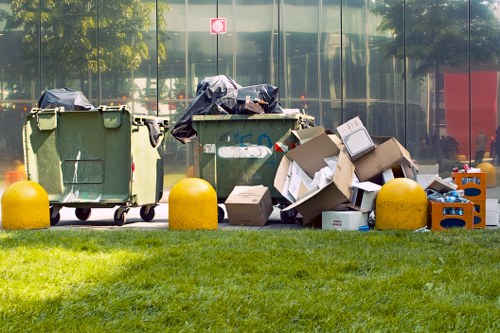 Risk assessment precedes every clearance. A site-specific assessment identifies trip hazards, unstable structures, poison plants, and any asbestos-containing materials inadvertently exposed during clearance. The assessment informs control measures which may include isolation of areas, use of mechanical removal instead of hand removal where practicable, and scheduling to avoid busy pedestrian times. Records of assessments and mitigations are retained for audit and continuous improvement.
Management responsibilities are clearly defined. Senior supervisors are accountable for implementing this policy and ensuring compliance with statutory duties. Team leaders must ensure staff are competent and briefed on site hazards. Employees are required to follow instructions, report hazards and use PPE. Contractors must demonstrate equivalent standards before mobilisation. This alignment ensures the rubbish removal service operates consistently and safely across the coverage area.
Equipment management is central to safety. All powered machinery, trailers and hand tools receive routine inspection and maintenance. Faulty equipment is removed from service until repaired. Battery-powered cutters and chippers are preferred where noise and emissions are a concern. Operators follow manufacturer guidance and maintain exclusion zones around live machinery to prevent accidental contact with moving parts.
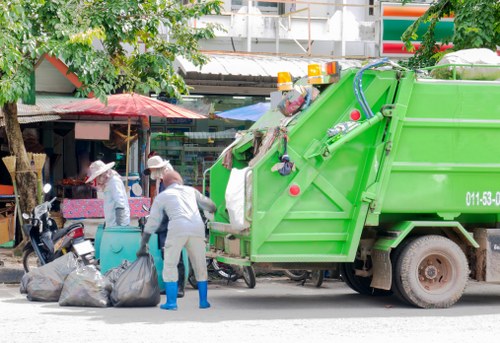 Manual handling protocols reduce musculoskeletal injuries. Team members use mechanical aids, adopt two-person lifts for bulky items, and employ correct posture. Training includes safe stacking in removal vehicles and securement methods to prevent shifting loads during transport. Load weights are monitored to stay within vehicle legal limits and to ensure that rubbish collections are safe for both operators and the public.
Traffic and pedestrian management are planned at each job. Signs, cones and barriers are used where necessary to create clear pedestrian routes and maintain visibility. Vehicles are parked to allow safe unloading, and reversing is minimised with banksmen or reversing alarms in place. The approach maintains a safe environment for locals while enabling efficient garden waste removal by the clearance team.
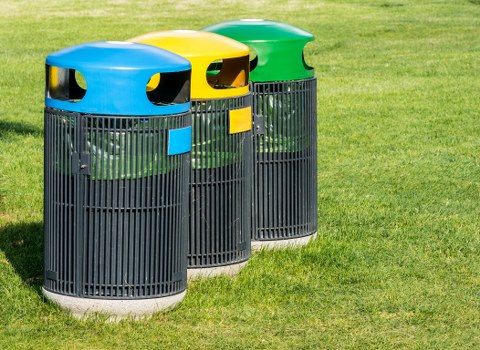
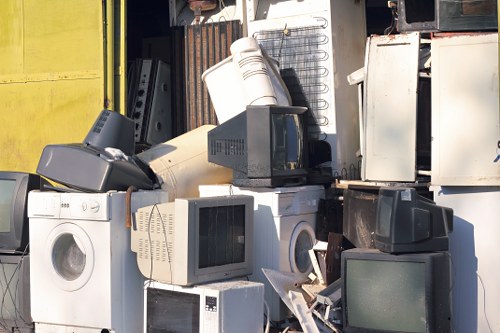
Waste segregation and environmental controls reduce contamination risk. Green waste is separated from general rubbish, recyclables and hazardous waste. Where hazardous items are discovered, work stops and the item is isolated pending specialist removal. Correct disposal routes are used to comply with environmental obligations and to protect public health.
Emergency procedures are established for incidents such as serious injury, fires or chemical spills. First aid equipment and trained first-aiders are available on site. Incidents are reported and investigated to identify root causes and preventative measures. Ongoing review of incidents drives updates to this policy and operational practices.
 Training and competency form the backbone of the policy. New recruits undergo induction covering hazard recognition, PPE use, manual handling and safe equipment operation. Periodic refresher sessions and toolbox talks ensure that skills remain current. Supervisors conduct on-site coaching, and competence records are maintained for all operatives engaged in garden clearance and rubbish removal tasks.
Monitoring and performance measurement track safety outcomes. Key indicators include near-miss reports, injury rates, equipment defects logged and completion of training. Regular audits and site inspections verify compliance. Management reviews the policy annually or after major incidents to ensure it remains effective and aligned with best practice for garden clearance services in the local service area.
 In summary, this policy promotes a proactive safety culture that balances effective garden clearance with the wellbeing of staff and the public. Responsibilities are assigned, risks are assessed and controlled, and continuous improvement is driven by training and incident learning. Adhering to these standards ensures that garden waste removal, rubbish collection and related clearance activities are conducted safely, professionally and with respect for the environment.
Key controls and procedures
- Pre-job risk assessments and method statements for each clearance task.
- PPE provision and enforcement including gloves, eye protection, hi-vis and suitable footwear.
- Equipment inspection schedules and isolation of defective tools.
- Traffic management plans to protect pedestrians and road users.
- Segregation of waste streams and safe disposal of hazardous items.
Accountability and review
Senior management will review performance against safety targets and ensure resources are available to implement improvements. All staff are encouraged to report hazards and contribute to safer working methods. Through active management and worker engagement, the rubbish company and garden clearance teams commit to maintaining high health and safety standards across the service area.
End of policy document.